
Castlevania: Belmont's Curse Is Very Slow on Switch 1
Castlevania: Belmont's Curse is very slow on switch 1. Understand the 30fps target, separate choppiness from movement speed, and get practical combat tips.
Jump to
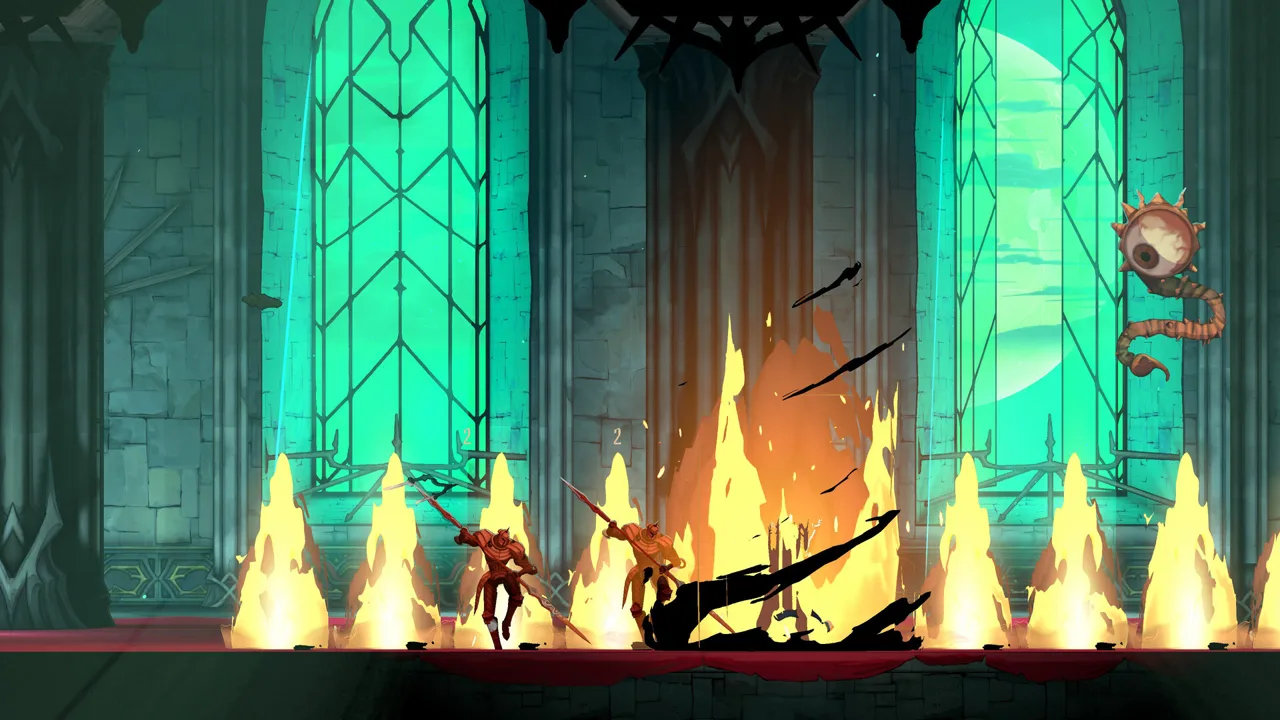
Why Belmont’s Curse Feels Slow on the Original Switch
If Castlevania: Belmont's Curse is very slow on switch 1 for you, start by separating screen smoothness from Rose’s movement speed. That distinction matters when you’re trying to land a whip swing, clear a gap, or dodge a boss attack. When Castlevania: Belmont's Curse is very slow on switch 1, identifying which part feels sluggish helps you focus on the right problem.
The original Nintendo Switch version targets 30fps, while the PS5, Xbox Series X|S, and PC versions target 60fps. That difference affects the smoothness of scrolling and movement, especially during fast traversal.
| Platform | Frame rate target |
|---|---|
| Original Nintendo Switch | 30fps |
| PlayStation 5 | 60fps |
| Xbox Series X|S | 60fps |
| PC | 60fps |
The Switch demo combines generally responsive controls with occasional choppiness. Rose’s basic movement also has a measured pace, while her whip introduces much more acrobatic traversal. Those characteristics can overlap: a run across an empty room feels different from swinging through it, even before you consider performance.
Keep your expectations tied to the version you’re playing. Footage from a 60fps platform sets a different expectation for motion than the original Switch’s 30fps target.
The useful question is whether the whole presentation feels consistently less fluid, whether particular moments become choppy, or whether Rose simply takes longer to cross a room than you expect. Each points toward a different part of the experience.
Separate Choppiness From Slow Movement
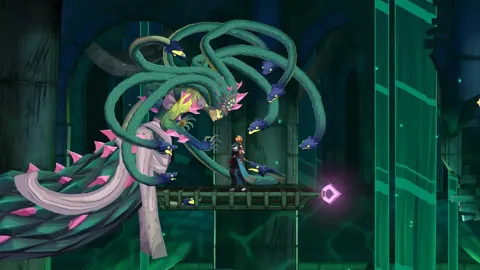
“Slow” covers several complaints that feel similar with a controller in your hands. Before changing how you play, watch what happens during ordinary walking, whip traversal, and combat.
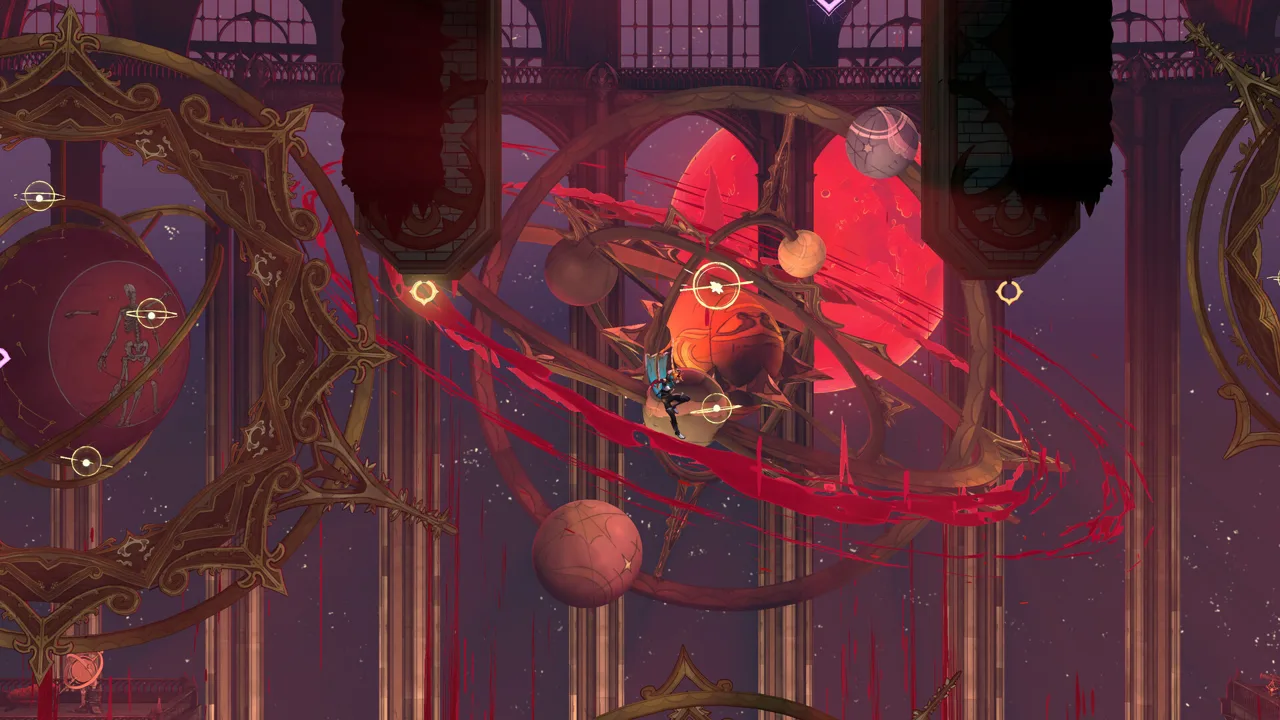 Image: Steam / KONAMI
Use a familiar stretch of an area so you can concentrate on movement instead of discovering the route.
| What feels slow | What to distinguish | What to focus on |
|---|---|---|
| Scrolling across a room | Overall motion smoothness | Judge it against the Switch version’s 30fps target |
| Brief choppy moments | Uneven presentation during particular scenes | Notice whether the roughness is temporary |
| Rose crossing open ground | Basic movement pace | Practice available whip traversal |
| Heavy weapon attacks | Weapon speed and commitment | Compare weapon categories |
| Repeated boss attempts | Difficulty and attack timing | Learn patterns and consider difficulty modifiers |
Watch the scene as well as Rose
Pay attention to the environment moving behind Rose. If the scrolling itself feels less fluid than a 60fps action game, you’re noticing presentation rather than just her running animation.
Then watch whether that feeling stays consistent. A steady lower frame rate and an abrupt hitch are different experiences, even though both get described as slowdown.
Avoid using one difficult encounter as your entire performance test. A boss adds attack patterns, spacing, projectiles, and your own reactions to the picture. Start with straightforward movement, then bring combat back into the comparison.
Compare walking with whip traversal
Rose’s whip supports grappling, swinging, and movement toward enemies. Basic ground movement therefore tells only part of the story about how quickly she can navigate.
If Castlevania: Belmont's Curse is very slow on switch 1 mainly when you’re walking between encounters, practice using the whip at available grapple points. Compare the feel of those movements before deciding that every part of traversal has the same pace.
This comparison helps identify movement preferences. It doesn’t change the platform’s frame rate target.
Separate demo impressions from full-game decisions
If you’re concerned that Castlevania: Belmont's Curse is very slow on switch 1, the Switch demo offers a practical way to judge the controls and presentation yourself before buying. Its save data carries into the full game, so time spent learning its movement also contributes to your eventual adventure.
Use that opportunity to test the actions you care about: ordinary attacks, jumps, swings, and boss dodges. A game can look acceptable during exploration yet feel uncomfortable during a demanding fight.
Use the Whip and Weapon Choices to Improve the Pace
Belmont’s Curse builds much of its mobility around the Vampire Killer. The whip lets Rose grapple to elevated points, swing across gaps, and close the distance to enemies.
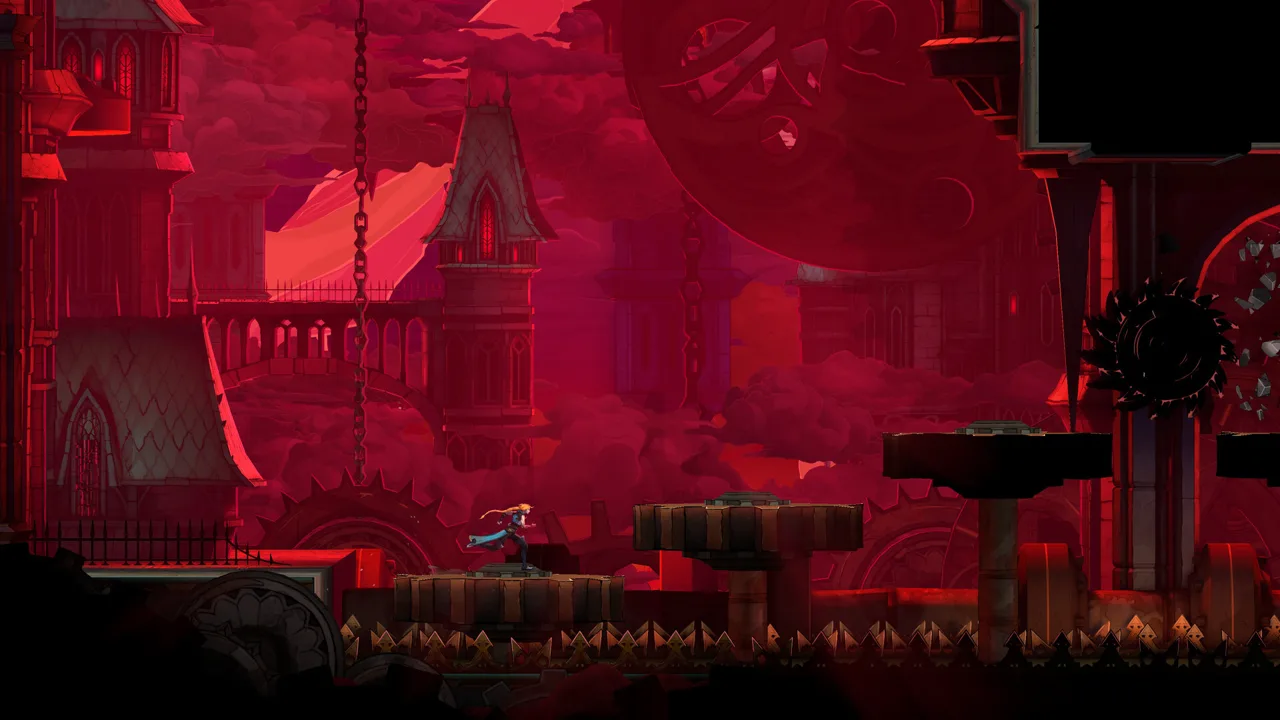 Image: Steam / KONAMI
Practice those actions individually before linking them together. Start with a clear swing across a gap, then work on approaching an enemy and following up with an attack. Keep your attention on where Rose will land.
Weapon choice matters, too. The game includes seven weapon categories, and their different ranges and attack styles change the rhythm of combat.
| Weapon category | Combat characteristic | Tip |
|---|---|---|
| Whip | Supports attacks and acrobatic movement | Practice combining traversal with an approach |
| Cestus gauntlets | Close-range fighting that mixes speed and power | Maintain useful spacing for consecutive hits |
| Lances | Longer-reaching strikes | Use their reach when approaching enemies |
| Long swords | Balance between range and damage | Check the individual weapon’s perk |
| Great swords | Slower, heavier attacks | Leave room to complete the swing |
Match attack speed to your expectations
If Castlevania: Belmont's Curse is very slow on switch 1 during attacks, check which weapon you’re using. Great swords have a slower, heavier style; that attack rhythm serves a different purpose from the cestus gauntlets’ close-range combinations.
Compare weapons against familiar enemies. Watch the beginning of an attack, the distance it covers, and where Rose ends up afterward. Choose equipment around the actions you can execute comfortably.
A heavy attack can feel satisfying when you’ve created an opening. The same attack feels cumbersome when you’re trying to squeeze it between enemy strikes.
Read perks before settling on a weapon
Individual weapons also encourage particular sequences. A long sword perk can reward attacking immediately after a back dash, while cestus perks can reward connecting successive punches.
Practice the sequence attached to your equipment. If a weapon rewards a back dash followed by a swing, work on that rhythm rather than repeatedly attacking from the same position.
Use range deliberately. A lance’s reach gives you a different way to approach a threat, while the whip’s mobility supports more aerial movement. Experiment with those differences as you find equipment through exploration.
Keep landing space in mind
Fast movement still needs a destination. Before grappling toward an enemy or swinging across a gap, look at the platform you’re approaching and the threats around it.
Give yourself room to read the next attack. Belmont’s Curse asks you to manage spacing alongside movement, and rushing directly into danger turns a quick approach into another interrupted attempt.
Make Combat More Manageable With Difficulty Modifiers
A rough boss encounter can make the whole game feel sluggish. You spend more time repeating the approach, watching attacks, and waiting for an opening.
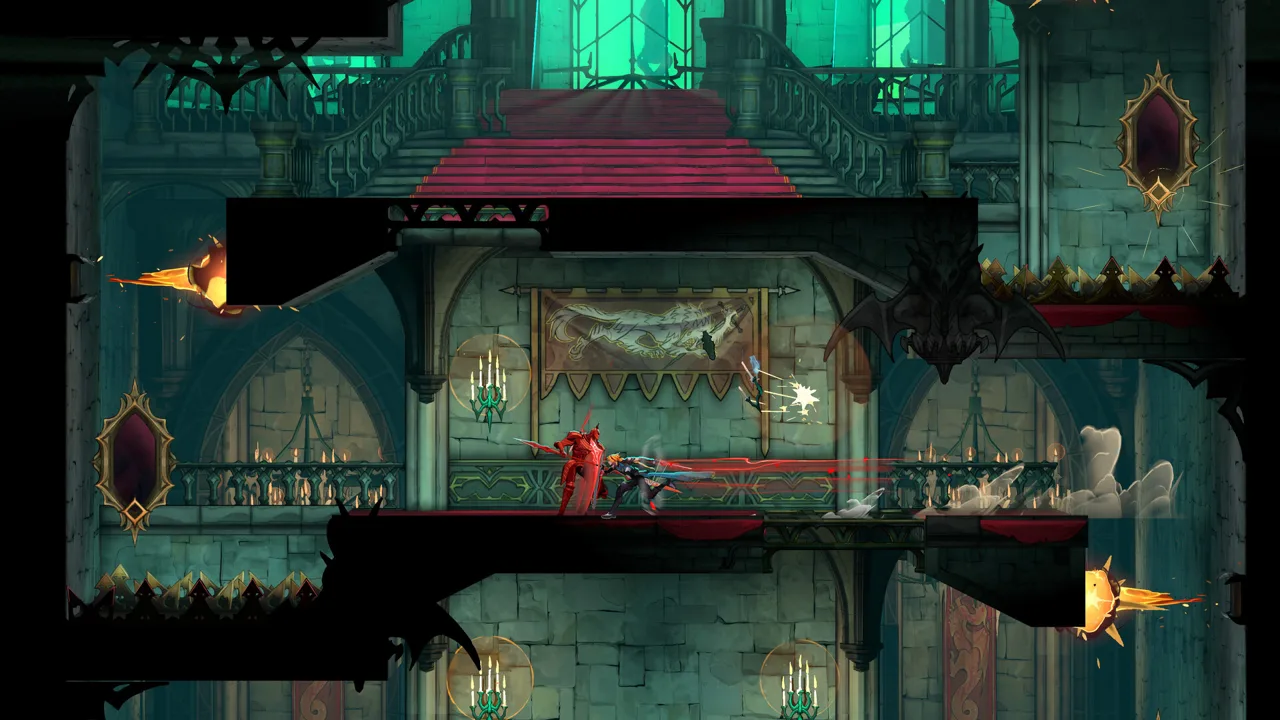 Image: Steam / KONAMI
Belmont’s Curse includes difficulty modifiers covering incoming damage, respawn behavior, health flask capacity, and other aspects of its challenge.
| Modifier area | What it adjusts |
|---|---|
| Incoming damage | How punishing enemy hits are |
| Respawn behavior | What happens when you return after defeat |
| Health flask capacity | The capacity of your healing resource |
If Castlevania: Belmont's Curse is very slow on switch 1 because repeated deaths keep breaking your momentum, consider these modifiers while learning the combat. They address the difficulty of encounters; keep frame rate and visual smoothness as separate concerns.
Practice one part of a boss fight at a time
Spend an attempt watching the boss’s approach and attack sequence. Focus the next attempt on spacing, then add your own attacks once you recognize an opening.
Use the whip’s movement options with purpose. Closing a gap quickly helps only when you have room to follow through.
If an encounter keeps stopping your progress, explore another available route. The game’s nonlinear structure gives you opportunities to investigate elsewhere rather than repeat the same fight continuously.
Build around abilities you actually use
Defeated bosses become Arcana in Rose’s tarot deck, giving her spells and special actions. Each Arcana includes up to three Works of Mercy, with specific objectives that improve the ability.
Read those objectives and work on them during exploration. Build familiarity with an ability before relying on it in a difficult encounter.
Relics offer another way to tailor your setup, with three equippable slots. The crypt key, for example, restores health and mana when you open a chest. Choose combinations around your current approach to exploration and combat.
These systems give you ways to make progress feel more comfortable without treating every difficult moment as a technical fault.
Decide Whether the Switch Version Fits Your Priorities
The original Switch version involves a clear trade-off: you get Belmont’s Curse on that hardware with a 30fps target, while the other listed platforms target 60fps.
If Castlevania: Belmont's Curse is very slow on switch 1 to your eyes even during straightforward movement, give that reaction weight. An equipment change addresses attack rhythm, but your tolerance for scrolling smoothness is a separate preference.
Use these questions when deciding whether to continue on Switch:
- Does ordinary movement feel comfortable after you’ve spent time with the controls?
- Can you judge jumps and grapple destinations clearly?
- Do heavy attacks feel deliberate, or frustratingly slow for your preferred style?
- Are repeated deaths the main interruption to your progress?
- Would you rather play on another platform with a 60fps target?
Try the demo before committing to a purchase. Spend time with both traversal and combat, since the whip is central to how the game moves.
For platform information and purchase options, visit the Castlevania: Belmont’s Curse official website.
FAQ
Why does Belmont’s Curse feel less smooth on Switch 1?
The original Switch version targets 30fps, compared with 60fps on PS5, Xbox Series X|S, and PC. That difference is especially noticeable during scrolling and fast movement. The Switch demo also has occasional choppy moments.
What should I do if Castlevania: Belmont's Curse is very slow on switch 1?
Identify whether you mean choppy presentation, Rose’s walking pace, slow weapon attacks, or progress interrupted by difficult fights. Practice whip traversal for movement, compare weapon categories for attack rhythm, and use difficulty modifiers when combat punishment is the obstacle.
Does 30fps mean Rose moves at half speed?
No. Frame rate describes how frequently the image updates. Rose’s movement speed and weapon animations are separate characteristics. The Switch’s 30fps target means less fluid visual updates than a 60fps target, rather than an automatic halving of gameplay speed.
Can I try the Switch version before buying?
Yes. Belmont’s Curse has a demo, and its save data carries into the full game. Use it to judge scrolling, controls, whip traversal, and combat on your own console.
Continue with
 Castlevania: Belmont's Curse Not Launching? PC FixesCastlevania: Belmont's Curse not launching? Fix black screens with refresh rate and V-Sync changes, plus simple steps for PC and handheld startup issues.
More in Support
Castlevania: Belmont's Curse Demo Black Screen Fixes
Fix the Castlevania: Belmont's Curse demo black screen with refresh rate changes, VSync adjustments, and a settings reset. Get back into the game safely.
Castlevania: Belmont's Curse System Requirements Reddit
Castlevania: Belmont's Curse system requirements reddit guide: compare PC specs, storage needs, Steam Deck frame rates, and PC controls before you play.
Join the community
Official channels for news, updates and player help: